
Views: 0 Author: Site Editor Publish Time: 2026-03-09 Origin: Site


Hardwiring under-cabinet lighting is an excellent way to add both functionality and style to your kitchen, bathroom, or any other space with cabinetry. Hardwiring involves connecting the lights directly to your home’s electrical system, offering a permanent and clean lighting solution. Unlike plug-in options, hardwired lights provide a streamlined look with no visible cords or outlets. This method not only improves the aesthetics of your space but also ensures that your lighting is reliable and powered continuously without the need to replace batteries or plug in cords.
In this guide, we’ll walk you through the steps required to hardwire under-cabinet lighting, including the tools you'll need, safety precautions, and common mistakes to avoid. By the end of this article, you’ll be equipped with the knowledge to successfully hardwire your own under-cabinet lighting.
Before diving into the installation, it’s important to gather the right tools, materials, and safety equipment. Proper preparation will ensure the process goes smoothly and safely.
To hardwire under-cabinet lighting, you will need the following tools and materials:
Drill: To create holes for mounting the light fixtures.
Screwdrivers: For fastening the mounting screws and securing the light fixtures.
Wire stripper: Used to strip the insulation from the ends of the wires.
Wire nuts: To safely connect the wires together.
Voltage tester: To ensure that the electrical circuit is de-energized before starting.
Screws and anchors: For mounting the lighting fixtures securely.
Electrical tape: To provide additional insulation on wire connections.
Under-cabinet lighting fixture: Choose LED, fluorescent, or another lighting type that fits your needs.
Working with electricity requires extra caution. Always follow these safety precautions:
Turn Off Power: Before starting any electrical work, ensure the power is turned off at the breaker box.
Test the Power: Use a voltage tester to confirm that there is no power running to the area where you’ll be working.
Use Insulated Tools: Always use tools with insulated handles to reduce the risk of electrical shock.
Wear Protective Gear: Consider wearing gloves to protect your hands from sharp edges and other hazards.
When selecting your under-cabinet lighting, consider the type of lighting that fits your space:
LED Lights: These are energy-efficient, long-lasting, and produce little heat, making them ideal for under-cabinet applications.
Fluorescent Lights: These offer bright, cool light and are a great option for larger cabinets or areas that need bright illumination.
Incandescent Lights: Less energy-efficient but provide warm, soft light ideal for creating a cozy ambiance.
Each lighting type requires specific installation steps and wiring methods, so be sure to choose one that suits your needs.
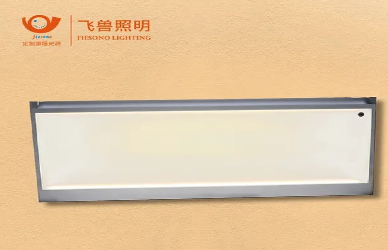
Now that you’re prepared with the right tools and materials, let’s go over the steps to hardwire under-cabinet lighting. The process involves a few simple yet crucial steps, so be sure to follow them carefully.
Before doing anything, turn off the power at the circuit breaker to ensure safety during installation. You should also use a voltage tester to confirm that there is no electrical current flowing to the area where you'll be working.
Most under-cabinet lighting fixtures come with mounting brackets or adhesive backing for easy installation. Here’s how to mount them:
Measure and mark the placement of the lighting fixture. Typically, lights are installed under the front edge of the cabinet for even coverage.
Drill holes in the cabinet as needed for screws or mounting brackets.
Secure the light fixture to the cabinet using screws or adhesive, depending on the manufacturer’s instructions.
To ensure the wiring is hidden and safe, run the cables along the back or inside of the cabinet, and through any walls or holes that lead to the junction box.
Use a drill to create small holes for running the wires if necessary.
Run the wires through the holes or down the wall to the electrical junction box.
Make sure you leave extra length on the wires for easier connections, and use wire clips to keep the wires securely fastened in place.
Next, connect the wires from your lighting fixture to the junction box. Here's how to do it:
Strip the ends of the wires about 1/2 inch using your wire stripper.
Connect the wires from the light fixture to the wires in the junction box using wire nuts. Typically, the black (or red) wire connects to the black wire in the junction box (hot wire), the white wire connects to the white wire (neutral), and the ground wire (green or bare) connects to the ground screw.
Twist the wire nuts onto the wire ends to create a secure connection. Wrap the wire nuts with electrical tape for added insulation.
Once the wiring is connected, attach the wiring from the fixture to the main electrical circuit. This is done by following the same process of connecting the hot and neutral wires to the junction box. Ensure that all connections are tightly secured.
Before securing everything in place, turn the power back on and test the lights to ensure they’re working properly. If everything is working as expected, carefully tuck away any loose wires into the junction box, and secure them with wire clips or electrical tape.
Once everything is confirmed to be working correctly, secure the light fixture in place, making sure it’s firmly mounted and that no wires are exposed.
While hardwiring under-cabinet lighting is generally straightforward, a few common mistakes can affect your installation. Avoiding these errors ensures a safe and effective setup.
One of the biggest mistakes when hardwiring under-cabinet lighting is incorrectly connecting wires. This can lead to electrical shorts, safety hazards, or malfunctioning lights. To avoid this:
Double-check connections: Ensure the hot wire (black or red) connects to the hot terminal, the neutral wire (white) to the neutral terminal, and the ground wire (green or bare) to the ground screw.
Use wire nuts properly: Securely twist and insulate the connections to prevent loose wiring or sparks.
Test the connections: Use a voltage tester to verify the wiring is correct before turning the power back on.
Proper wiring is essential for safe and smooth operation.
Incorrect placement of the fixtures can lead to uneven lighting or lights that don’t fit well. To avoid this:
Measure carefully: Determine where the lights should go for even coverage.
Account for beam angle: For spotlights, adjust their placement to highlight specific areas.
Mark mounting points: Mark the spots before drilling to ensure accuracy and alignment.
Measuring beforehand ensures a professional, functional look.
Using the wrong type of light fixture can cause electrical issues or prevent proper functioning. To avoid this:
Match fixtures to your wiring: Ensure compatibility with your wiring setup. LED lights may need a transformer or driver, while fluorescent lights require a ballast.
Check wattage and voltage: Ensure the fixture’s wattage matches the power supply.
Select the right fixture for the environment: Use damp-rated fixtures for kitchen or bathroom installations.
Choosing the correct fixture ensures safe and effective lighting.
After everything is set up, tidy up the wiring by using cable organizers or clips to secure the wires neatly along the cabinet. This helps maintain a clean and professional finish. If the lights are controlled by a switch, make sure the switch is mounted in an easily accessible location.
If the lighting doesn’t work after installation, recheck the wiring connections and test the circuit breaker. Often, issues can be traced back to loose connections or improper wiring.
Hardwiring under-cabinet lighting is a fantastic way to improve the look and functionality of your kitchen, bathroom, or workspace. By following the steps above and using the right tools, you can ensure a safe and professional installation. Properly installed hardwired lights not only enhance visibility but also offer a cleaner, more streamlined aesthetic. With a little planning and effort, you’ll be able to enjoy a beautifully lit space that adds both value and style to your home.
You’ll need a drill, screwdriver, wire stripper, wire nuts, voltage tester, and electrical tape, along with the necessary lighting fixtures and wiring. These tools are essential for mounting the fixtures, stripping wires, and ensuring the power is off during installation. Depending on the setup, you may also need a level or cable clips for organizing wires.
Yes, LED lights can be hardwired, but you must use the appropriate transformer or driver that matches the power requirements. LEDs operate on low voltage, so make sure the transformer provides the correct voltage and wattage, and ensure the wiring is compatible with the LED system.
Hardwiring can be safe if you have basic electrical knowledge and follow safety precautions like turning off the power and using insulated tools. However, if you're unsure, it’s always best to hire a professional electrician to ensure proper and safe installation.
Mount the fixtures using screws or adhesive, depending on the type. Double-check wiring connections for tightness and insulation, and organize wires with wire clips. Test the lights before securing everything in place to ensure proper installation and functionality.


