
Views: 0 Author: Site Editor Publish Time: 2026-02-10 Origin: Site


Many people choose a Shower Caddy because it feels simple and familiar at first. Over time, bottles crowd together, access becomes awkward, and the shower starts to feel messy. Modern bathrooms now focus on smarter storage that balances function, comfort, and design. A well-chosen alternative keeps products visible, stable, and easy to reach while reducing visual clutter. In this article, you will explore practical shower storage options that go beyond the traditional Shower Caddy and adapt better to different layouts, routines, and lifestyle needs.
A recessed shower niche replaces a Shower Caddy by moving storage into the wall itself. Products sit securely at eye level instead of hanging or stacking, which improves access during daily routines. Placement near the main shower area works best, while slight distance from heavy spray helps keep bottles clean and labels readable. Proper sizing is key. A niche that matches common bottle heights prevents crowding and tipping. Visually, recessed niches create clean lines and a built-in look. When tiled to match the surrounding wall, they blend seamlessly and support minimalist or spa-style bathroom designs.
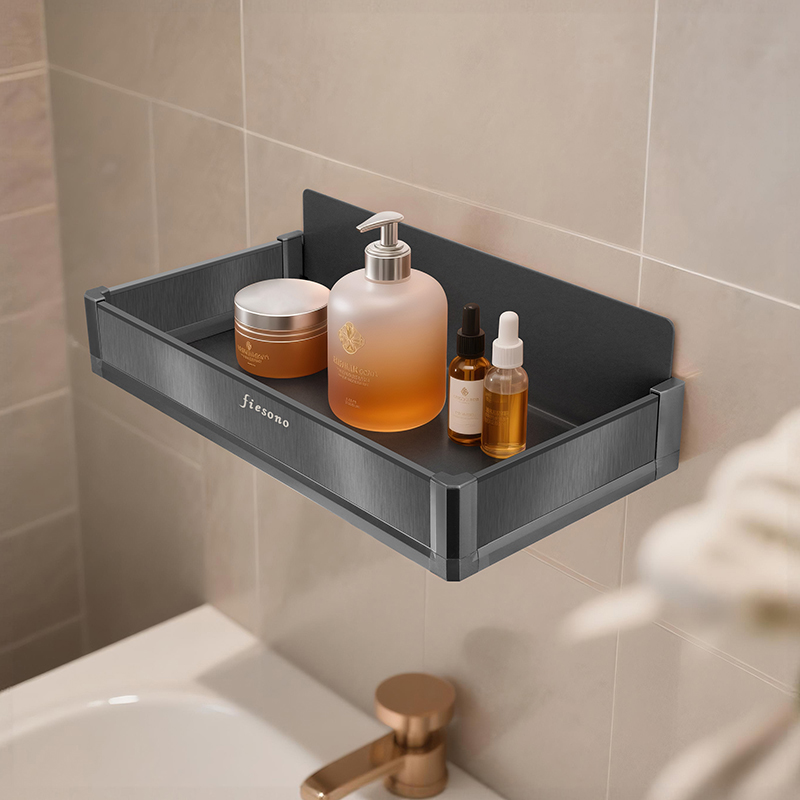
Wall-mounted shelves offer a structured alternative to a hanging Shower Caddy. Floating shelves provide a sleek, modern feel, while basket-style shelves add containment for multiple items. Both keep products off the floor and away from the showerhead. Moisture-resistant materials like stainless steel, coated aluminum, or solid surface panels perform well in wet environments. Thoughtful spacing between shelves prevents bottles from bumping into each other. Compared to a Shower Caddy, wall-mounted shelves feel more intentional, simplify cleaning, and contribute to a refined overall layout.
Built-in benches and longline wall recesses work well as a shared alternative to a Shower Caddy. Benches combine seating and storage, offering a stable surface for bottles and tools without cluttering walls. Extended or longline recesses provide horizontal space that suits multi-user showers. Each person can claim a section, reducing confusion and speeding routines. These integrated solutions align with modern tile layouts and open shower designs. Compared to a single Shower Caddy, they scale better for families and shared bathrooms while maintaining visual balance.

Corner shelves transform unused vertical areas into efficient storage zones. Compared with a Shower Caddy, they rely on height rather than hanging points, which helps small showers stay open while keeping daily products visible, stable, and easy to reach.
| Dimension | Key Details | Practical Application | Technical Indicators / Reference | Important Considerations |
|---|---|---|---|---|
| Space Utilization | Vertical stacking of multiple compact shelves | Small shower enclosures, corner showers | Typically 2–5 tiers, 6–10 in (15–25 cm) per level | Shelves placed too close limit tall bottles |
| Structural Design | Triangular or fan-shaped corner fitting | Tight corners, tiled or glass walls | Single-shelf load capacity: 6–18 lb (3–8 kg) | Walls must be square to ensure even load |
| Installation Method | Drill-mounted, adhesive, or suction-based | Owned homes or rental properties | Adhesive works best on smooth tile surfaces | Rough tiles reduce adhesion strength |
| Material Selection | Stainless steel, aluminum alloy, stone | High-humidity, long-term use areas | Corrosion resistance ≥ IPX4 (verification needed) | Avoid untreated steel in wet zones |
| Drainage Design | Slotted or open-grid shelf base | High-flow shower environments | Drainage slot spacing: 0.3–0.6 in (8–15 mm) | Poor drainage causes water pooling |
| User Experience | Layered organization by product type | Multi-product households, shared showers | Frequently used items at shoulder height | Heavy items should stay on lower shelves |
| Visual Integration | Color-matched or low-contrast finishes | Minimalist, modern bathrooms | Common finishes: silver, black, white | High contrast may increase visual clutter |
| Safety Features | Rounded or chamfered edges | Family and residential bathrooms | Edge radius ≥ 0.08 in (2 mm) | Sharp edges increase impact risk |
Tip:Choose multi-tier, compact corner shelf systems instead of one large shelf. This allows product zoning by frequency of use, reduces accidental bumps, and gradually replaces a traditional Shower Caddy without adding visual bulk.
Tension-pole systems feel familiar but outperform a standard Shower Caddy in capacity and stability. They extend from floor to ceiling without drilling and use vertical pressure for support. Adjustable shelves accommodate tall bottles and accessories easily. Weight distributes evenly along the pole rather than pulling from the showerhead. Users can reposition shelves as needs change. Compared to hanging Shower Caddies, tension-pole systems feel more balanced and better suited for product-heavy routines.
Corner stools replace the Shower Caddy by acting as compact furniture instead of hanging storage. They support daily essentials while keeping walls clear. Materials like teak or resin resist moisture and feel warm underfoot. Mini racks placed nearby add vertical storage without visual overload. This combination creates a spa-like atmosphere even in smaller showers. Compared to a Shower Caddy, stools feel calmer and more intentional, encouraging thoughtful product selection.
Shower benches function as open surfaces rather than containers. This makes them feel less cluttered than Shower Caddies. Bottles, brushes, and tools rest naturally and stay visible. Benches also offer seating, adding comfort and accessibility. Placement inside the enclosure suits larger showers, while placement just outside works for overflow items. Moisture-resistant materials ensure durability. Compared to a Shower Caddy, benches feel flexible and visually lighter.
Slim freestanding shelving units work well in walk-in showers and wet rooms. They outperform a Shower Caddy by offering vertical storage without wall attachment. Drainage-focused shelves prevent water buildup and support hygiene. Placement near walls keeps pathways clear. These units suit open layouts where structure is needed without permanent installation. Compared to Shower Caddies, freestanding shelves scale better for multiple products and shared routines.
Decorative stands balance storage and design. They replace utilitarian Shower Caddies with intentional visual elements. Trays and baskets group products neatly and improve order. Materials like coated metal or stone add texture and character. These stands elevate the shower experience by reducing the perception of clutter. Compared to Shower Caddies, decorative stands feel curated and refined rather than purely functional.
Shower totes work well in environments where hygiene and ownership separation matter. Each user keeps products contained, which reduces cross-contact and product mix-ups. Mesh or perforated fabrics promote airflow, helping items dry faster between uses. This limits moisture buildup and supports cleaner storage. Totes also simplify cleaning routines because nothing stays inside the shower. In shared settings, this approach improves organization and reduces clutter. Compared to a Shower Caddy, totes align better with rotating users and changing schedules.
Over-door and rod-mounted systems extend storage beyond the wet zone, which lowers direct water exposure. This placement helps products last longer and reduces soap residue on containers. Vertical positioning keeps items within reach while freeing interior shower space. These systems work especially well when combined with wall niches or shelves. Load distribution across rods improves stability for lightweight items. Compared to a Shower Caddy, they create clearer zones and simplify long-term maintenance.
DIY hanging systems allow precise customization based on product size and usage frequency. Adjustable hooks support zoning by daily or occasional items, improving workflow. Using corrosion-resistant hooks and rods extends lifespan in humid conditions. Spacing can be adjusted to improve airflow and drying speed. This modular approach adapts as routines change without tools or permanent fixes. Compared to Shower Caddies, DIY systems provide flexibility and support evolving storage needs.
Teak and similar hardwoods perform well in wet environments due to their dense grain structure and natural oil content. These oils slow water absorption and help stabilize the material over time. Properly finished teak maintains dimensional stability even under frequent temperature changes. Wood surfaces also absorb light differently than metal, reducing glare and visual fatigue. When used consistently across benches, shelves, and accessories, wood storage creates a unified sensory experience. Compared to a Shower Caddy, it supports comfort, warmth, and long-term durability.
Minimalist storage relies on controlled surface count and consistent proportions. Fewer shelves limit product accumulation, which naturally simplifies routines. Uniform containers improve visual order and reduce label distraction. Studies in environmental design suggest cleaner visual fields lower cognitive load during daily tasks. Open spacing around items improves airflow and drying efficiency. Compared to Shower Caddies, minimalist systems support both mental clarity and easier cleaning through reduced surface complexity.
Coordinated storage sets distribute functions across dedicated elements rather than one container. Hooks handle lightweight tools, shelves support bottles, and benches manage bulk items. This separation improves access speed and reduces overlap. Consistent materials and finishes maintain visual harmony across zones. Modular components allow phased upgrades without redesigning the entire space. Compared to a Shower Caddy, coordinated systems scale better and adapt more effectively to long-term usage patterns.
Shower layout determines how storage affects movement and safety. In compact enclosures, vertical or recessed storage preserves floor area and reduces collision risk. Building standards often recommend clear shoulder and elbow space to support comfortable movement. Walk-in showers allow horizontal elements like benches or freestanding shelves without restricting access. Positioning storage outside main spray paths improves drying and visibility. Compared to a Shower Caddy, layout-driven solutions support smoother movement and long-term usability.
Choosing between permanent and non-permanent installation shapes how shower storage performs over time. Compared with a basic Shower Caddy, both approaches offer better stability and organization when matched to ownership status, usage patterns, and future flexibility.
| Evaluation Aspect | Permanent Installation | Non-Permanent Installation | Typical Use Cases | Key Considerations |
|---|---|---|---|---|
| Installation Method | Drilled, recessed, or built-in systems | Adhesive, suction, or tension-based systems | Owned homes vs. rental or temporary housing | Wall condition and permission requirements |
| Structural Stability | High, fixed to wall or structure | Moderate, relies on surface adhesion or pressure | Long-term daily use vs. short-term setups | Incorrect installation reduces performance |
| Load Capacity | Supports heavier bottles and accessories | Best for lightweight, daily essentials | Families or product-heavy routines | Exceeding load limits affects safety |
| Adaptability | Low, layout remains fixed | High, easy to reposition or remove | Changing routines or shared bathrooms | Frequent repositioning may weaken adhesion |
| Surface Requirements | Tile, drywall, or stud access | Smooth, non-porous surfaces preferred | Modern tiled showers | Textured surfaces limit attachment |
| Maintenance Impact | Minimal movement, consistent cleaning zones | Periodic reattachment and surface cleaning | Busy households or rentals | Residue may remain after removal |
| Visual Integration | Seamless, built-in appearance | Visible but flexible design | Design-driven vs. function-first spaces | Mismatch affects visual harmony |
| Cost Structure | Higher upfront, long-term value | Lower initial cost, flexible budget | Renovation vs. move-in solutions | Replacement frequency affects total cost |
| Lifespan Expectation | Long-term, often matches bathroom life | Short to mid-term, replaceable | Permanent residences vs. temporary stays | Material quality influences durability |
Tip:If long-term use and visual integration matter most, permanent installation offers stronger value. For rentals or evolving needs, non-permanent systems provide flexibility while still outperforming a traditional Shower Caddy when installed and maintained correctly.
Effective shower storage starts with understanding usage patterns rather than aesthetics alone. Low-product routines benefit from limited surfaces, which reduce cleaning frequency and visual distraction. High-product routines require vertical or modular storage to prevent overcrowding and bottle overlap. In shared bathrooms, separating storage by user lowers decision time and minimizes mix-ups. Behavioral studies show that storage aligned with habits increases long-term adherence. Compared to a Shower Caddy, habit-driven systems remain functional as routines evolve.
A traditional Shower Caddy no longer defines effective shower storage in modern bathrooms. Built-in niches, wall-mounted shelves, freestanding units, and portable solutions offer better access, cleaner visuals, and stronger alignment with daily routines. The right alternative depends on space, lifestyle, and product volume. Thoughtful storage choices improve comfort and long-term organization. GuangDong Fiesono Tech Co.,LTD. provides well-designed shower storage products that focus on durability, flexibility, and practical functionality, helping users create more organized, efficient, and visually balanced shower spaces.
A: Built-in niches, wall-mounted shelves, benches, and shower totes all replace a Shower Caddy effectively.
A: A Shower Caddy can clutter space, while modern storage improves access and visual balance.
A: Yes, adhesive shelves and totes replace a Shower Caddy without drilling.
A: Corner shelves or recessed niches outperform a Shower Caddy in tight layouts.
A: Costs vary, but many options match or slightly exceed a Shower Caddy price.
A: Choose based on layout, product volume, and whether a Shower Caddy limits movement.


