
Views: 0 Author: Site Editor Publish Time: 2026-01-29 Origin: Site


A Shower Caddy looks simple, but prices vary more than most people expect. You’ll usually see three clear tiers: budget picks under $20, reliable mid-range options around $20–$50, and premium designs that often start above $50. The right price depends on your shower setup, storage needs, and the finish you want to maintain. In this guide, we’ll break down typical costs, explain what drives them, and help you choose a Shower Caddy that fits both your space and your budget.
Most Shower Caddy prices fall into three tiers. Budget options often range from $8–$20 . They suit short timelines and quick bathroom refreshes. Mid-range options often run $20–$50 . They target daily use and stable storage. Premium options often start near $50 and climb higher. They emphasize materials, finish, and brand polish. We can treat these tiers as a buying shortcut. It helps us compare value faster. It also keeps the search from feeling endless.
At lower prices, a Shower Caddy often focuses on basic storage. It usually holds a few bottles and a bar soap. In the mid-range, you often get stronger frames and better balance. Shelves tend to feel deeper and more secure. Premium caddies often add refined finishes and stronger hardware. They may include smoother joints and cleaner welds. Some use stainless steel or teak for a spa look. Many also improve drainage design. That keeps shelves cleaner day to day. It’s less about more stuff and more about better execution.
Your best Shower Caddy tier depends on context. If you rent, you may prefer easy install and easy removal. Budget or mid-range options often fit that need. If you live in a dorm, shared bathrooms reward portability. Hanging styles at lower prices work well there. If your shower serves a family, storage density matters. Mid-range or premium systems handle more bottles and tools. If you want a visual upgrade, premium finishes shine. They also match modern fixtures better. When you pick a tier well, it feels effortless.
Pricing Snapshot Table
Tier | Typical Price | Common Buyer Goal | Typical Build Focus |
Budget | $8–$20 | Quick organization | Simple frame, basic shelves |
Mid-range | $20–$50 | Daily reliability | Better balance, stronger coatings |
Premium | $50–$120+ | Long-term finish | Premium materials, refined hardware |
Tip: For hospitality buyers, standardize one tier per property class.
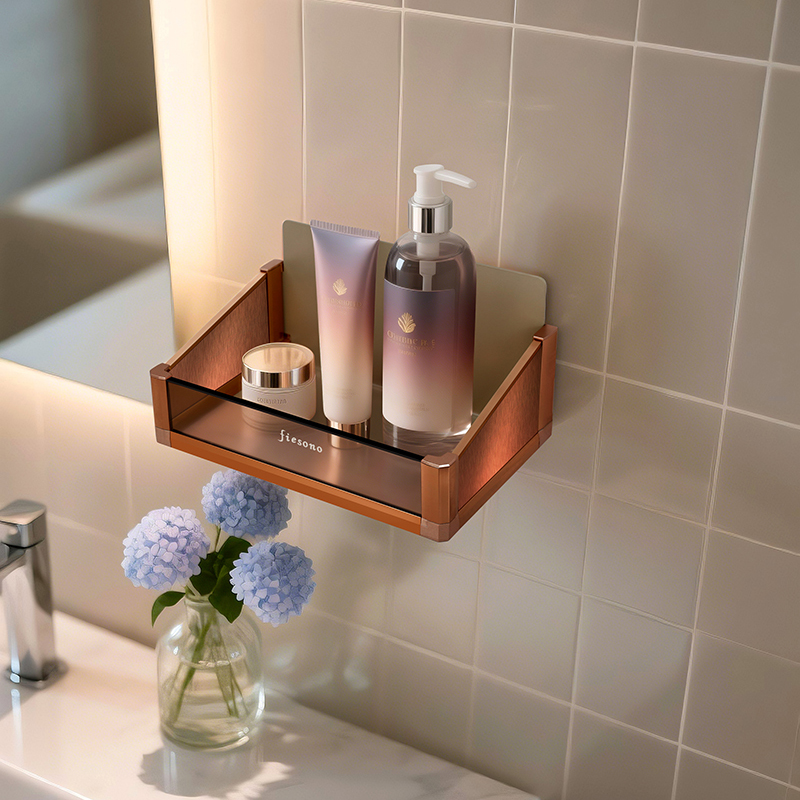
A hanging Shower Caddy is the classic choice. It hooks over the showerhead or rod. That simple install often keeps prices accessible. Many models in this style target budget to mid-range tiers. They can work well for renters and fast remodels. The cost often reflects shelf count and metal quality. Some include a non-slip collar near the wall. Others add a stabilizing suction cup. When those features appear, price often rises. Still, it remains one of the best cost-to-convenience types.
Over-the-door Shower Caddy designs fit showers with glass or standard doors. They can also fit bathroom cabinet doors, depending on width. This style often costs a bit more than basic hanging versions. You pay for brackets, pads, and door-friendly spacing. Better units include soft contact points and sturdy hooks. That reduces noise and keeps the door finish clean. Many also add tier spacing for tall bottles. For hotels, this style can feel “clean and controlled.” It also simplifies housekeeping placement. That operational win can justify a higher per-unit cost.
Tension pole Shower Caddy towers often sit in the mid-range or premium tier. Their structure adds parts and complexity. You often get several shelves and adjustable heights. That makes them popular for families and shared showers. Corner systems also rise in price when they use thicker poles. Some include large baskets designed for liter bottles. Others add integrated hooks for loofahs and razors. These systems often cost more, yet they can replace multiple small organizers. For property managers, that can reduce clutter complaints. It can also improve guest satisfaction scores.
When choosing a plastic or mesh Shower Caddy, align material properties with moisture exposure, load needs, and cleaning frequency before finalizing specifications and volume purchases.
Material / Structure | Typical Components in a Shower Caddy | Key Technical Indicators | Suitable Use Cases | Procurement & Inspection Points | Cleaning & Maintenance Notes |
PP (Polypropylene) molded parts | Shelves, baskets, hooks, bottle dividers | Density 0.90–0.93 g/cm³; melting point 160–171 °C; resin code #5 (PP) | Student housing, serviced apartments, short-term rentals | Verify resin type and grade; check molding tolerance on clips and hooks; inspect edges for burrs to avoid hand injury | Rinse with warm water and neutral detergent; avoid long exposure to strong oxidizing cleaners |
ABS molded parts | Structural frames, connectors, support brackets | Density 1.04–1.08 g/cm³; glass transition temperature ≈105 °C; water insoluble | Gyms, budget hotels requiring better rigidity | Confirm stress points use ABS rather than mixed recycled plastic; inspect screw holes and joints for whitening or cracks | Avoid solvent-based cleaners; wipe with mild soap solution to reduce surface dulling |
PET molded or sheet parts | Transparent trays, bottle holders, dividers | Density ≈1.38 g/cm³ (20 °C); melting point ≈250–260 °C; resin code #1 (PET) | Guest bathrooms with visual organization needs; amenity display areas | Check optical clarity and haze; inspect for stress cracking at corners; ensure no interference with doors or walls after assembly | Use soft cloth for cleaning; avoid abrasive pads to prevent micro-scratches |
Polyester (PET) mesh fabric | Hanging mesh bags, side pockets, portable caddies | Moisture regain ≈0.4–0.8 %; typical mesh size 3–8 mm; fabric weight 120–200 g/m² (spec by supplier) | Dormitories, gyms, temporary housing | Specify mesh opening and fabric weight in purchase orders; inspect stitching density and load-bearing seams | Machine- or hand-wash regularly; dry fully to reduce odor and mildew risk |
Nylon 6 mesh or webbing | Reinforced mesh baskets, hanging straps | Density ≈1.14 g/cm³; water absorption ≈1.5 %; moisture regain 2.8–5.0 % | High-use locker rooms, spa changing areas | Inspect edge binding and seam reinforcement; consider moisture absorption impact in humid spaces | Rinse and dry after use; periodic washing prevents salt and soap residue buildup |
Tip:For bulk orders, standardize material type and resin code across all units to simplify reordering and quality control.
Coated metal is a common material for a mid-range Shower Caddy. It blends strength with a clean look. The coating often aims to resist moisture and soap buildup. Many designs use steel wire frames under the finish. Price rises when coatings feel thicker and smoother. It can also rise when welds and joints look cleaner. Many buyers pick this category for a balanced “good enough” result. It performs well in daily routines. For multi-unit purchasing, it offers consistent appearance. That helps maintain brand standards across many bathrooms.
Premium materials push a Shower Caddy into higher price bands. Stainless steel often commands more due to material cost and finishing. Aluminum can also cost more when it uses thicker profiles. Teak adds a spa-style warmth that many buyers love. These materials often pair with upgraded hardware and better shelf shapes. You may also see tighter tolerances and nicer edges. That improves the “touch feel” during use. For luxury hotels, premium materials support brand perception. They can also reduce replacement cycles . In premium spaces, looks and longevity often justify higher spend.
Capacity features often raise Shower Caddy price fast. Adjustable shelves add parts, slots, and stronger supports. They help fit tall bottles and pump tops. That matters for salons, gyms, and family bathrooms. Wider baskets can hold larger items, like body wash refills. Higher rails can keep bottles from tipping. Many designs add tension bars or braces to reduce sway. When you pay for these upgrades, you pay for stability. You also pay for fewer “annoying moments” during use. For B2B buyers, capacity can cut guest clutter on ledges.
Add-ons can look small, yet they change cost. A Shower Caddy with more hooks needs more metal and finishing. Razor holders and soap trays add shaping and extra attachments. Multi-tier baskets add height and structure. These features often improve organization for real users. They help separate shared items and reduce mix-ups. In hospitality, that can support a cleaner guest experience. In gyms, it can keep personal items off wet floors. When you evaluate add-ons, ask if they match your usage pattern. If they do, the price premium often feels rational.
Many shoppers pay more for “rust-proof” claims. The strongest value usually comes from design details. Drainage slots reduce standing water on shelves. Better joints reduce trapped moisture and soap scum. Improved hardware can resist corrosion and loosening. Some caddies also use non-slip grips that stay firm. Those touches can increase price, yet they also improve experience. For property operators, fewer rust stains can mean less cleaning time. It can also protect tile and grout appearance. When you buy at scale, maintenance savings matter. That’s where feature pricing can pay back.
Budget starts by checking your shower’s physical reality. A Shower Caddy must fit the showerhead and pipe angle. If you use an over-door model, measure door thickness and clearance. For tension pole systems, check ceiling height and slope. For corner shelves, check corner depth and wall surface. These checks prevent costly returns and delays. For B2B projects, measure one unit from each bathroom type. Then standardize specs across the project. It reduces procurement mistakes and labor time. You can also share specs with vendors for faster quoting.
Once fit is clear, choose your “must-haves.” Decide what your Shower Caddy must do every day. Maybe it must hold tall bottles and a razor. Maybe it must stay stable for kids’ products. Maybe it must match a modern chrome look. Nice-to-haves can include extra hooks and fancy finishes. Those features can be great, yet they should follow function. We often overspend when we shop by looks first. Flip that order and you stay on budget. In hospitality, define a small feature list by room class. Then buy consistently across that class.
A smart budget uses “cost-per-year” thinking. A Shower Caddy at $35 that lasts years can beat a $12 unit replaced often. Replacement brings labor, downtime, and guest friction. For consumers, it also brings shopping time and waste. In B2B, replacement cycles affect inventory planning. They also affect housekeeping routines and maintenance tickets. Try a simple internal test: buy three models across your tier. Use them in a pilot group for four weeks. Track cleaning time and stability feedback. Then scale your best performer. This approach supports EEAT through real evaluation.
Mid-range value often comes from smart finish choices. A coated metal Shower Caddy can look premium when the finish is even. Matte finishes can hide fingerprints and water spots better. Smooth coatings rinse soap film faster after showers. Wire designs can reduce pooled water on shelves. Those details help bathrooms look fresh longer. For B2B, clean-looking matters for guest reviews. It also affects staff workload. Choose finishes that support quick wipe-downs. That helps your team move faster during turns. When upkeep drops, your mid-range spend delivers premium-like results.
You can spot quality without paying top dollar. Start with drainage design on the Shower Caddy shelf base. Holes or slots signal better water management. Next, check hardware feel and tightness. Screws should seat cleanly and hold alignment. Look for padding at contact points for doors and walls. Many brands also offer clear warranty language. A warranty does not guarantee perfection, yet it signals confidence. For B2B, warranty handling can reduce replacement costs. Also scan reviews for phrases like “still sturdy after months.” That is more useful than “looks nice.”
A simple buying rule protects your budget. First, buy the Shower Caddy that fits and holds your essentials. Next, confirm it stays stable during daily use. Then pick a finish that matches the bathroom theme. This order prevents style from driving poor choices. For consumers, it avoids clutter and regret. For B2B, it protects your brand standards across many rooms. You can also negotiate better pricing when you standardize. Ask suppliers about multi-pack discounts and replacement part availability. Those factors can improve total cost. When function leads, style becomes a safe bonus.

For B2B purchasing, “value brands” and “store lines” can both deliver strong pricing. The difference is usually how predictable specs, SKUs, and batch consistency are. It helps to compare not just price, but also identifiers, dimensional fit, materials, and quality checks you can repeat across sites. Use the indicators below to standardize ordering and reduce site-to-site surprises.
Decision Area | Value Brands | Store Lines | Practical B2B Application | What to Request / Measure | Quality & Batch Notes |
SKU stability & reorder control | Often stable SKUs across many retailers; may offer brand warranty terms. | Reorder is easy inside one retailer, but line refreshes can happen. | Multi-property rollouts and replacements. | Ask for SKU/Model + UPC/GTIN per unit; keep a master list. | Lock one “approved” model per site type, then reorder by ID. |
Identifier transparency | UPC/GTIN common; sometimes more documentation on materials and care. | Retail pages often list TCIN/DPCI/UPC clearly (useful for procurement). Example: Room Essentials lists TCIN, DPCI, UPC. | Faster purchasing by non-technical teams. | Capture UPC and internal item codes (e.g., DPCI). | Put IDs on your purchase spec sheet and receiving checklist. |
Fit to common bathroom layouts | Wider variety (niche sizes, heavier-duty shapes, specialty mounts). | Usually designed for mainstream setups and standard showers. | Standardize “fits most” for typical units. | Confirm overall envelope: L × W × H in in/cm. | Don’t rely on photos; rely on published dimensions. |
Example size data (for benchmarking) | Example value-brand spec: OXO 3-tier listing shows 4.5 in D × 12.5 in W × 28.3 in H and 2.4 lb. | Example store-line spec: Room Essentials 3-tier shows 10 in L × 26 in H × 5 in W, 460 g. | Use as reference points for clearance planning. | Verify door swing and showerhead clearance with tape measure. | Keep one sample unit on-site for real fit checks. |
Portable / dorm-style caddies | Often offered, but specs vary by seller. | Store lines frequently publish weight and dimensions clearly. Example: Room Essentials dorm caddy 16 in L × 9.5 in H × 11 in W, 1.23 lb, PP. | Student housing, gyms, temporary housing kits. | Require max carry load spec from supplier (lb/kg), if available. | For batch orders, verify handle attachment and seams per lot. |
Material disclosure | Value brands may offer more consistent material/finish language. | Store lines often list base material plainly (e.g., PP, plastic). Room Essentials lists Polypropylene. Walmart Mainstays example lists Plastic. | Align material with cleaning program and humidity. | Request material callouts: PP/steel/aluminum and finish type. | Track material by SKU to avoid mixed replacements across sites. |
Higher-capacity systems (pole caddies) | More common in branded lines with defined mechanisms. | Store lines may have fewer options or less consistent availability. | Family units, long-stay properties, or higher product counts. | For pole systems, confirm extension range: OXO pole caddy extends 5–9 ft. | Match ceiling heights by building type before you standardize. |
Finish & corrosion-control expectations | Branded lines may specify finish type (e.g., anodized aluminum). OXO states rust-proof anodized aluminum construction. | Store lines may use plastic to avoid corrosion, or coated steel on some models. | Reduce rust complaints and replacement cycles. | If coated metal: ask for coating thickness target 2–5 mil (50–125 μm) as a typical powder range. | Ask vendors to document coating process and substrate prep. |
Repeatable coating QA (if metal) | Some suppliers can provide test documentation on request. | Store lines rarely publish lab tests, but vendors may have them. | Receiving inspection for large POs. | Request adhesion per ASTM D3359; ratings 4–5 are generally considered “good.” | Use tests as vendor requirements, not assumptions about products. |
Batch consistency workflow | Often more consistent across lots, but still verify. | Can vary by production run and supplier; verify on arrival. | Multi-site purchasing reduces operational noise. | Pull samples from two different lots; compare key hardware and finish. | Check hooks, joints, suction parts, and coating feel for uniformity. |
Packaging & merchandising cost | May include more branded packaging or inserts. | Often simpler packaging, which can lower cost. | Lower waste and faster stocking in maintenance closets. | Ask case pack count and outer carton dimensions (in/cm). | Plan storage space and last-mile distribution between properties. |
Tip:For multi-site buys, set one internal “approved spec” per caddy type: published dimensions, material, and identifiers (UPC + retailer code). Then add two repeatable QC gates: (1) a two-lot sample check on first order, and (2) a quick receiving inspection for hardware feel and finish consistency. This keeps store-line pricing attractive without losing operational control.
Premium brands often charge for design and finish. Their Shower Caddy may use better materials and tighter construction. Many also deliver smoother edges and cleaner welds. You may see refined basket geometry that holds bottles more securely. Some focus on minimal looks that match modern bathrooms. In hospitality, these details can support a “boutique” feel. They can also align with higher ADR strategy. Premium pricing can make sense when your brand relies on visual trust. If guests expect luxury, details matter. The cost is not only function, but perception and consistency.
Reviews can save you time and money. Focus on stability notes for the Shower Caddy under real shower use. Look for mentions of sway, door movement, or shelf tilt. Next, scan for long-term comments on rust and finish. After six months statements offer better signals than first-day photos. Also read reviews that mention bottle sizes and shelf spacing. That helps match your product set. For B2B, prioritize reviews from heavy-use contexts, like families and shared bathrooms. They mirror guest turnover and high humidity. Use reviews as a filter, not as final proof.
A Shower Caddy usually fits three price tiers, with many buyers choosing the mid-range for the best balance of cost and daily reliability. Price changes based on type, material, and features like drainage, sturdy joints, and smart add-ons. Start by checking fit, then pick the right style for your space, and judge value by cost per year. GuangDong Fiesono Tech Co.,LTD. supports buyers with durable Shower Caddy options that focus on stable storage, easy cleaning, and consistent quality.
A: A shower caddy often ranges from budget to premium, with many reliable options around $20–$50.
A: A shower caddy price changes by type, material, and features like drainage, joints, and hooks.
A: A hanging shower caddy is often the best value for fast setup and everyday storage.
A: Measure showerhead, door thickness, and bottle height, then pick a shower caddy built for that setup.
A: A durable shower caddy has stable hardware, smooth joints, and shelves that drain well.


