
Views: 0 Author: Site Editor Publish Time: 2026-02-05 Origin: Site


A shower caddy may look simple, but its material choice matters more than most people expect. It faces heat, steam, and constant water contact every day, which quickly reveals strengths and weaknesses. The right materials help a shower caddy stay stable, clean-looking, and easy to maintain, while also shaping how it feels and fits the bathroom style. In this article, we explore what materials are used to make a shower caddy and explain the practical benefits each option offers for homes and B2B buyers.
Stainless steel is a top pick for a premium shower caddy. It feels solid, and it supports heavy bottles with ease. Many buyers like its clean, modern look. In sourcing, stainless often signals long service life on spec sheets. Some models use common grades like 304 for daily wet use. It also pairs well with brushed and polished bathroom themes. For property teams, it fits guest bathrooms because it looks consistent across rooms.
Aluminum shower caddy designs focus on strength without extra weight. It makes installation easier in many settings, since staff can mount it quickly. It also suits large multi-tier layouts, where weight adds up fast. Many suppliers add surface protection that keeps the finish looking crisp. You may see chrome electroplating mentioned in listings, since it supports a sleek metal fixture style. In B2B projects, aluminum works well for modern builds that favor clean lines and lighter components.
Many metal shower caddy frames use a protective finish. You will often see powder coating, plastic coating, or chrome plating in product descriptions. These finishes help the surface stay smooth and easy to wipe. They also allow more color options, which helps match design plans. In hospitality, that matters because bathrooms follow a consistent palette. For buyers, coatings also simplify care instructions in guest-facing spaces. When you compare SKUs, ask suppliers to list coating type and thickness.

Engineering plastics can be a smart shower caddy choice for scale. ABS and polycarbonate are common names in many household products. They support rigid shapes, so designers can add trays, hooks, and bottle slots. The surface can feel smooth and warm, which many users prefer in a small shower. These plastics also let brands mold drainage gaps and curved corners. That makes cleanup faster for staff. For bulk buyers, molded plastics also help standardize dimensions across production batches.
In cost-driven bathroom programs, polystyrene (PS) and polypropylene (PP) are widely used materials for a shower caddy. Their molding flexibility supports diverse shapes, colors, and drainage designs while keeping unit costs controlled. For B2B buyers, these polymers influence not only appearance, but also load capacity, shipping efficiency, and long-term reliability. Understanding their structural and technical differences helps procurement teams make safer, more consistent decisions.
| Dimension | Polystyrene (PS) Shower Caddy | Polypropylene (PP) Shower Caddy |
|---|---|---|
| Core Material Property | High rigidity and dimensional accuracy | High toughness and fatigue resistance |
| Typical Applications | Wall-mounted, suction-based, light-duty shelves | Multi-tier racks, hanging units, modular designs |
| Structural Design Strengths | Supports thin-wall and precise open-grid structures | Ideal for reinforced ribs and integrated supports |
| Color & Aesthetic Options | Easy coloring; suitable for bright or translucent styles | Stable pigments; works well for matte and neutral tones |
| Drainage Design Compatibility | Large open grids and circular drain holes | Slotted drainage and sloped water channels |
| Load Performance (Typical Use) | Light to medium loads, small bottles | Medium loads, larger pump bottles |
| Recommended Wall Thickness | 2.0–2.8 mm (needs verification) | 2.5–3.5 mm (needs verification) |
| Long-Term Structural Stability | Good stiffness, moderate impact tolerance | Strong impact resistance and repeated stress tolerance |
| Packaging & Logistics Advantage | Lightweight, supports slim packaging formats | Compression-resistant, suitable for stacked shipping |
| Cost Control Characteristics | Lower raw material and tooling cost | Slightly higher material cost, lower breakage rate |
| Best-Fit B2B Scenarios | Retail SKUs, promotional lines, budget apartments | Long-term rentals, family bathrooms, OEM programs |
| Key Sourcing Considerations | Verify load rating and drop-test results | Confirm resin purity and recycled content ratio |
Even when the main shower caddy body is metal or plastic, small parts matter. Rubber and silicone show up in grips, suction cups, bumpers, and anti-slip pads. They protect tiles and glass from scratches, and they help the unit stay steady. These parts also reduce noise when bottles shift. For operators, that can improve the guest experience in hotels. In procurement, treat these parts as wear items. Ask vendors for material grade and hardness range. It helps you keep consistent feel across multiple suppliers.
Bamboo brings a spa-like look to a shower caddy. Many buyers choose it to soften hard tile and metal finishes. It fits natural, minimalist bathrooms, and it works well in boutique hospitality themes. Bamboo also supports clean, flat panels that look tidy on shelves. In product design, it pairs well with metal hooks and corner brackets. For B2B, bamboo can support branded eco positioning in listings and packaging. It can also help you offer a warmer visual option next to steel lines.
Teak is widely used in wet-area furniture, so it appears in some shower caddy designs too. It gives a premium feel that matches higher-end bathrooms. Many brands also use cedar in DIY-style bath storage, since it has a strong natural look. These woods help a caddy feel less industrial and more like décor. In hotels and spas, they can support a calm, wellness vibe. If you source wood caddies, ask how the wood is dried and sealed.
Wood needs a water-ready finish, so treatment is part of the material story. Many makers use oils or clear sealants to slow water pickup. Some use marine-style coatings in wet-area products. For a wood shower caddy, the finish affects both appearance and cleaning routine. It also affects how well the color stays even across time. In B2B buying, request a finish description in the spec sheet. Ask how it is tested for wet use. That makes reorder quality more predictable across lots.
Nylon mesh is common in portable shower caddy totes. It suits dorms, gyms, and travel because it drains fast. It also folds flat, which helps in retail packing and shipping. Many mesh totes include handles that hang on hooks, so users can move items in one trip. For B2B buyers, mesh models can fit student housing or fitness clubs. They also work well in promotional bundles. Some versions mix mesh with plastic panels for added shape.
Polyester fabric supports structured bag-style shower caddy designs. It can hold pockets, dividers, and stitched loops for razors and brushes. It also takes dye well, so brands can match color themes. In bulk programs, that helps align with a property’s visual standards. Polyester can also carry logos via print or woven labels. For hotels, it can support housekeeping workflows, since staff can carry amenities easily. If you plan private label, confirm fabric weight and seam specs in your purchase order.
Fabric caddies often rely on reinforcement for shape and support. Brands may add webbing straps, bar-tack stitches, and internal panels. Some add a thin frame or rigid base insert. These details help the shower caddy keep its form when loaded. In B2B, reinforcement matters for returns and reviews, since users judge it fast. Ask suppliers for stitch count and thread type. You can also request sample drop tests. It helps you validate durability in a way photos cannot show.
Some showers use built-in shelves made from solid surface materials, like Corian-style sheets. These are not hang-on units, yet they still serve the shower caddy role. They create a smooth ledge that feels integrated. For new builds, this option can reduce clutter and align with premium design. In commercial projects, it supports easy wipe-down surfaces. When you spec it, focus on thickness and edge radius. Those details shape safety feel and visual quality. It also helps trades install consistent lines across units.
Tile and ceramic shelves can function as a permanent shower caddy platform. They blend with walls, so the storage looks planned, not added. Many corner shelves sit in grout lines, which helps stable placement. In hospitality, tile-based storage can support long-term design themes. It also simplifies cleaning for staff, since it shares the same care routine as the wall. If you manage projects, align tile shelf specs with waterproofing plans. It keeps trades coordinated and avoids mismatched materials on site.
Many modern shower caddy products mix materials for function and style. A common setup is a metal frame with plastic trays. Another is wood shelves with metal hooks. Hybrids let makers tune the feel of touch points, while keeping strong support. For buyers, hybrids can create good, better, best product tiers without a full redesign. When you compare hybrid SKUs, track each component material, not just the headline. It helps you explain value to customers and avoid spec confusion in procurement.
Powder coating is a popular finish for a shower caddy because it creates a smooth, even surface. It also opens up color choices, like matte black or white. That helps designers match fixtures and tile themes. In B2B, powder coating can support consistent appearance across many rooms. It also helps reduce visible fingerprints and smudges. When you evaluate suppliers, ask how they prep metal before coating. Surface prep shapes how the coating bonds. It is a key driver of long-term look and feel.
Anodizing is common on aluminum parts, and it supports a clean metallic look. Electroplating, like chrome plating, is also used to create bright finishes. Many aluminum shower caddy products use chrome electroplating for a polished style. These treatments help the surface feel smooth and uniform. In commercial bathrooms, that uniformity matters for brand standards. For sourcing, ask vendors to list plating thickness and salt-spray claims. You can compare them across factories more easily.
Sealants define how a wooden shower caddy performs in daily wet use. The right finish protects color, texture, and hygiene while shaping cleaning routines and customer expectations. For B2B programs, sealant selection directly affects maintenance guidance, lifespan perception, and consistency across production batches.
| Aspect | Clear Film Sealants (PU / Acrylic) | Penetrating Wood Oils (Teak / Tung) | Hybrid Sealant Systems |
|---|---|---|---|
| Protection Mechanism | Forms a surface film that blocks moisture | Penetrates wood fibers to repel water internally | Combines surface film with fiber penetration |
| Typical Visual Effect | Natural color, even tone, low gloss | Deepened grain, warm and rich appearance | Balanced tone with moderate depth |
| Water Resistance Level | High surface water resistance | Moderate resistance, breathable finish | High resistance with reduced swelling |
| Cleaning & Maintenance | Simple wipe-down with mild cleaners | Requires periodic re-oiling | Low-effort cleaning with longer refresh cycles |
| Slip & Touch Feel | Smooth, sealed surface | Natural, textured wood feel | Slightly textured with sealed protection |
| Humidity Performance | Stable in high-humidity bathrooms | Sensitive to prolonged standing moisture | Designed for fluctuating moisture conditions |
| Typical Coating Thickness | 40–80 microns (needs verification) | Absorbed, non-film forming | 20–50 microns combined layer (needs verification) |
| Reapplication Cycle | Long interval, often multi-year | Shorter interval, seasonal upkeep | Medium interval, balanced upkeep |
| Best-Fit B2B Use Cases | Hotels, serviced apartments, rentals | Boutique retail, spa-focused environments | Premium residential and mixed-use projects |
| Packaging & Compliance Notes | Often VOC-regulated; labeling required | Lower VOC perception, natural marketing angle | Must disclose both film and oil components |
| Key Sourcing Checkpoints | Film adhesion and peel resistance | Oil absorption depth and curing time | Compatibility between layers and curing stability |
Tip:Before finalizing a wooden shower caddy SKU, request humid chamber test samples with the selected sealant. This reveals color shift, surface tackiness, and cleaning behavior early—reducing post-launch complaints and inconsistent care expectations.
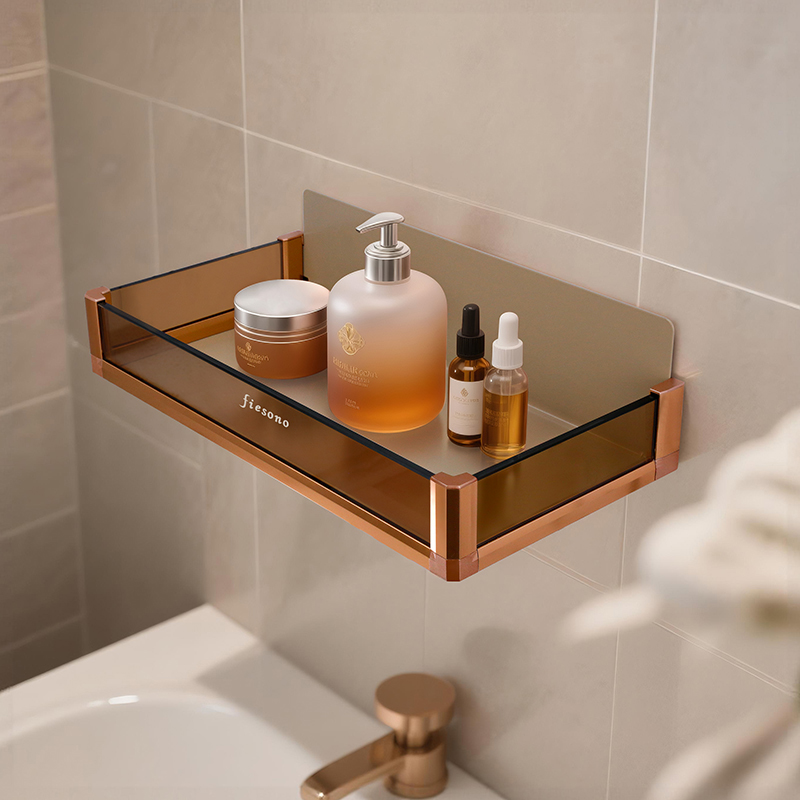
In high-humidity bathrooms, materials should support steady daily wet use. Stainless steel and aluminum are popular choices for sleek looks and strong support. Premium plastics also work well, since they are easy to wipe and light to handle. If you buy for properties, consider cleaning routines first. Choose surfaces that staff can wipe fast without special tools. Also consider drainage-friendly designs, since open shelves help water move away. Build a simple wet-zone spec for your portfolio.
Shared bathrooms need a shower caddy that supports many bottles and tools. Material choice affects both structure and user confidence. Metal frames often hold taller bottles well, and multi-tier layouts can keep items sorted. Plastics also suit families because they can be molded into dividers and hooks. Rubber grips help it feel stable on tile and glass. For B2B programs like rentals, shared bathrooms also mean faster turnover. Pick materials that stay visually clean under routine wipe-downs and common cleaners.
For travel and temporary setups, weight and drying speed matter most. Mesh and plastic shower caddy totes are widely used in dorms and trips. They move easily from room to room, and they can hang on hooks for quick access. Fabric options also support pockets, which helps keep small items together. For bulk buyers, this segment can fit student housing welcome kits, gym locker programs, or corporate relocation packages. Focus on handle strength and drainage design, since users judge those fast.
A shower caddy can be made from metal, plastic, wood, fabric, or hybrid materials, each offering distinct functional value. Stainless steel and aluminum emphasize durability and modern appeal, while engineered plastics support easy cleaning and scalable production. Wood adds warmth and spa-style aesthetics, and mesh or fabric designs focus on portability and quick drying. Choosing the right material improves performance and user experience. GuangDong Fiesono Tech Co.,LTD. provides thoughtfully engineered shower caddy solutions that balance material quality, finish consistency, and installation efficiency, helping buyers achieve reliable results across residential and commercial bathroom projects.
A: A shower caddy is usually made from stainless steel, aluminum, plastic, wood, or fabric, each offering different durability and style benefits.
A: Shower caddy materials affect rust resistance, cleaning ease, and how well the unit handles heat and moisture.
A: A stainless steel shower caddy offers higher strength and longevity, while plastic options focus on lighter weight and lower cost.
A: A mesh or fabric shower caddy is ideal for travel because it dries fast and is easy to carry.
A: Shower caddy cost rises with metal or wood materials, while plastic and fabric options stay more budget-friendly.
A: Yes, many shower caddy designs use hybrid materials to balance strength, appearance, and everyday usability.


